How AI Is Reshaping Custom Software Development
Generative AI and coding agents are changing how software gets built. Not just how fast, but who does which parts of the work.
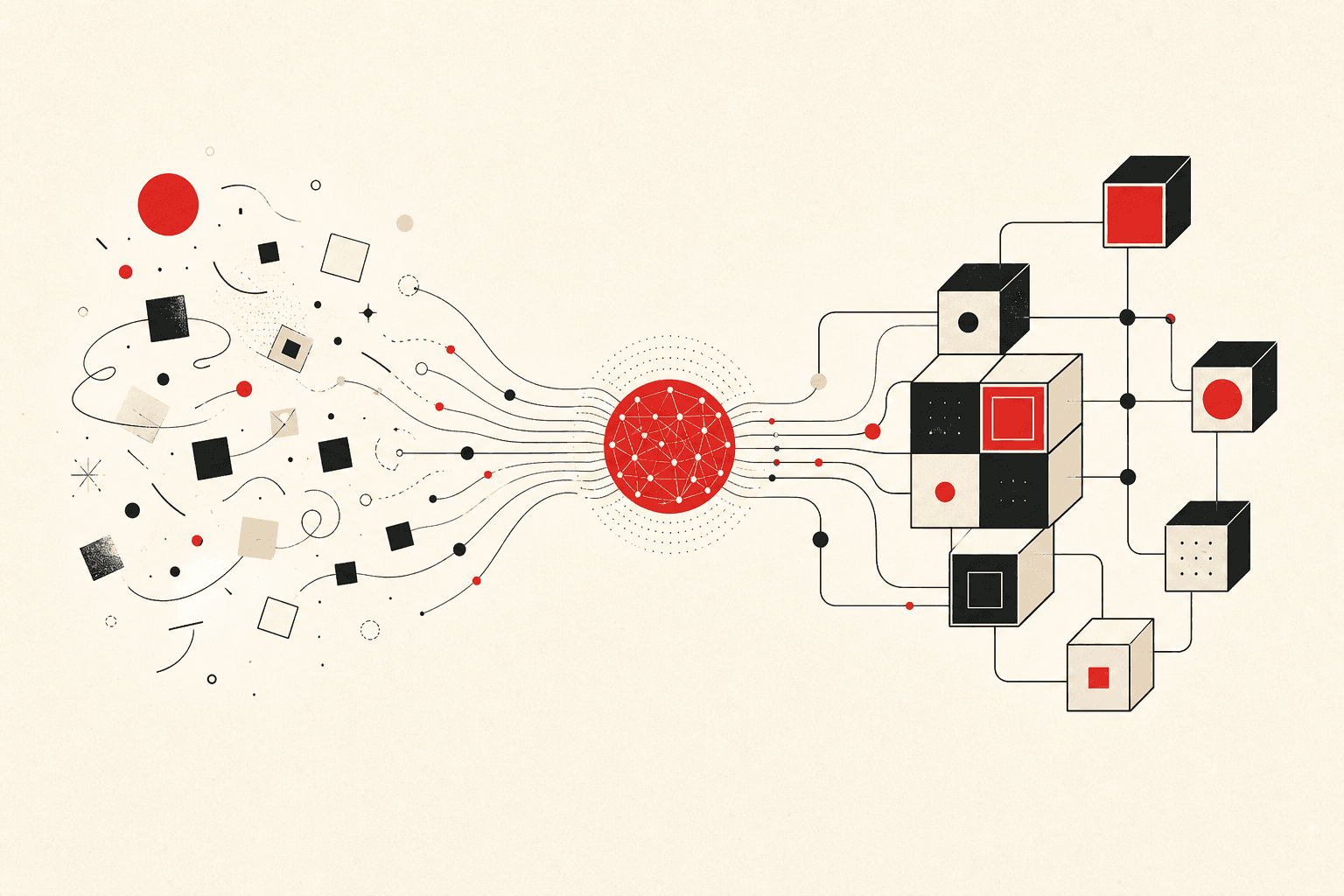
Most conversations about AI and software development start and end with autocomplete, a slightly smarter version of the tab-complete developers have used for a decade. That undersells what changed. The shift worth watching isn't inside the editor. It's how much of the software development lifecycle an AI agent can now own end-to-end, with a human reviewing rather than typing.
From suggestion to execution
A code-completion tool suggests the next few lines and waits. An agentic system takes a task description, plans a sequence of steps, writes the code, runs the tests, reads the failures, and iterates, largely without a human in the loop until there's a result worth reviewing. That's a different category of tool. It changes the unit of work a developer hands off: not "write this function" but "implement this ticket."
This is the model behind MelcorSoft's own Agentic Process Automation work: coordinated AI agents handling well-scoped engineering and operations tasks, with defined checkpoints for human review rather than blind automation. The pattern generalizes past code. Anywhere a task has a clear goal and a verifiable outcome (tests pass, a form validates, a report reconciles), an agent can carry more of the middle of the work.
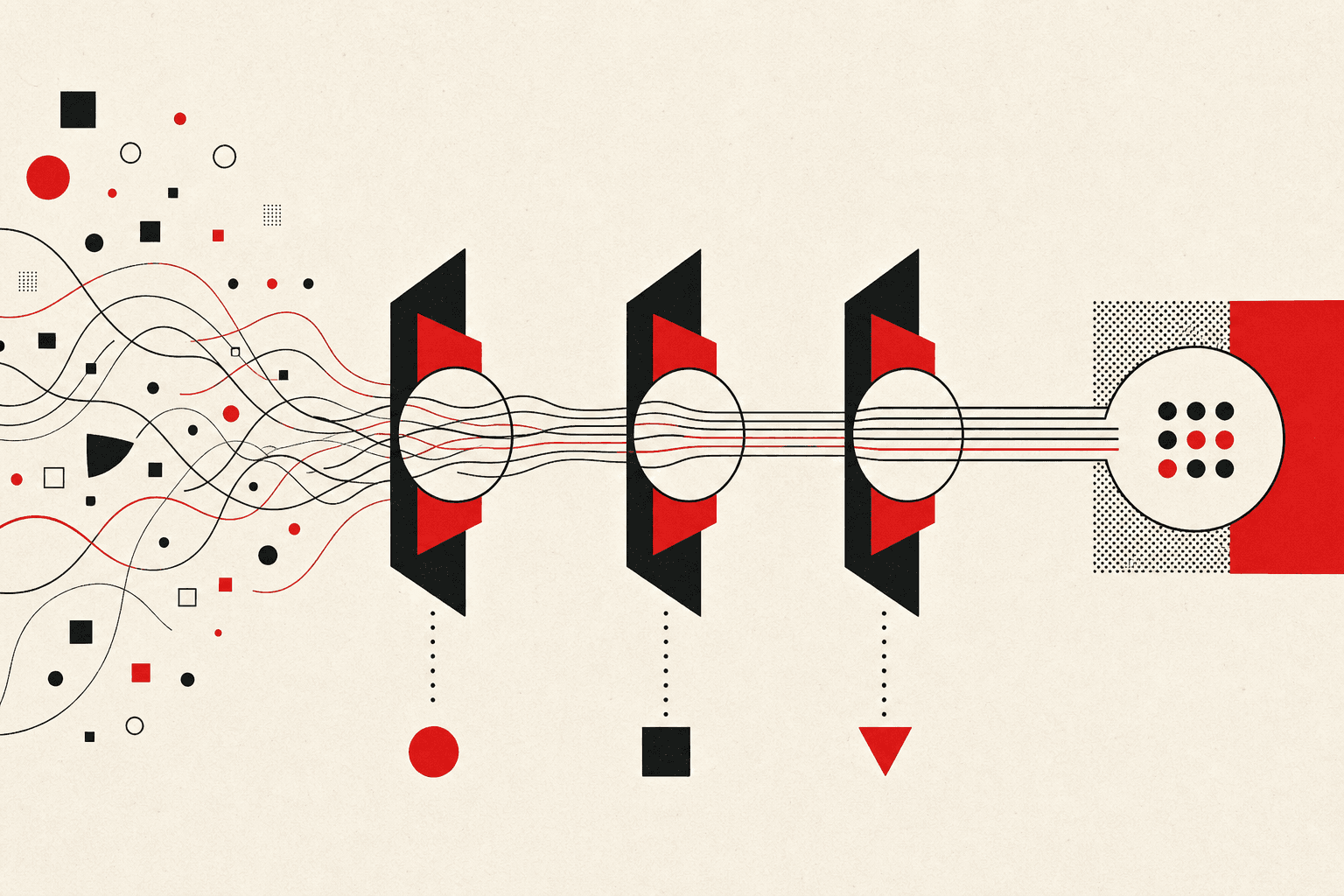
Where this genuinely helps
- Scaffolding and boilerplate. CRUD routes, form validation, typed API clients, test harnesses. Low creative value, high time cost, and exactly what agents are reliable at today.
- Migration and refactor work. Mechanical, repetitive changes across many files (upgrading a deprecated API, renaming a pattern), where the risk is human fatigue causing an inconsistent pass, not lack of skill.
- First-draft implementations. A working version of a well-specified feature that a senior engineer reviews and tightens, instead of starting from a blank file.
Where it doesn't (yet)
Ambiguous requirements are still the hard part of software, and no model resolves ambiguity by guessing well. It resolves it by asking, or by silently picking an interpretation that may not be the one you wanted. Novel architecture decisions, tradeoffs between approaches with no clearly correct answer, and anything where "correct" depends on business context an agent hasn't been given still need a human making the call. The realistic split today: agents compress the distance between a clear spec and working code, and humans still write the spec and judge the result.
What this means for teams building software
The practical effect is a different ratio of time spent, not fewer engineers: less time on mechanical implementation, more on specification, review, and the judgment calls that decide whether a feature is right rather than whether it compiles. Teams that adapt their workflow around that split (clear specs in, careful review out) get real velocity gains. Teams that skip review because the code "looks right" inherit the same risk they'd get from a junior engineer working unsupervised: the code runs, but nobody checked whether it does the right thing.
That's where AI sits in software development right now: not a replacement for engineering judgment, but a shift in where that judgment gets applied.